Social commerce inside apparel isn't a side experiment anymore. TikTok Shop sales in the US grew 407% in 2024 and reached an estimated $15.82 billion in 2025, with fashion ranking among its top-selling categories.
Fashion brands face three real problems right now: trend cycles that shift overnight, an audience that spots inauthenticity instantly, and a Gen Z buyer who researches on TikTok before ever visiting a website. Many brands still treat social media like a digital billboard instead of a sales channel and community hub.
This guide breaks down the platforms worth your time, the strategies driving real revenue, and the metrics that actually matter.
Key Takeaways
- Social platforms drive direct sales and community loyalty, not just brand awareness
- Winning brands adapt content per channel: visual storytelling on Instagram, trend velocity on TikTok, depth on YouTube
- Influencer partnerships, UGC, and social commerce shorten the path from discovery to purchase
- Tracking engagement, CTR, conversion, and share of voice proves ROI beyond likes and followers
Choosing the Right Social Media Platforms for Your Fashion Brand
Not every platform deserves equal investment. A luxury label chasing heritage needs a different mix than a fast-fashion brand chasing weekly drops. The smarter move: pick two or three platforms where your specific audience already spends time, then go deep instead of spreading thin.
Instagram: The Digital Glossy Magazine
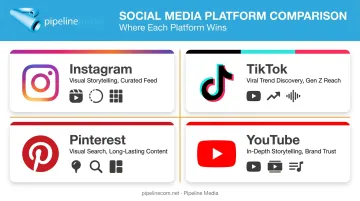
Instagram remains the anchor for visual identity. It functions like a digital glossy magazine — curated feed, aesthetic consistency, and a place where recognition compounds over time.
Reels have become the top-performing format for most fashion accounts, outpacing static feed posts and carousels alike. That shift matters for where you invest production time.
These formats do the heavy lifting:
- Feed posts: polished campaign imagery for lookbooks and launches
- Reels: product-in-motion content, including "Get Ready With Me" style videos showing fit and movement
- Stories: behind-the-scenes footage, polls, and quick promotions that feel personal rather than produced
Brands mixing all three tend to see stronger engagement than accounts posting only static campaign shots.
TikTok: The Epicenter of Viral Trends
TikTok is where Gen Z fashion discovery happens first. The algorithm surfaces content by interest, not follower count, giving smaller brands genuine organic reach Instagram rarely offers anymore.
Trend cycles move fast here. "Coastal grandma" and "cottagecore" both rose and faded within months, a reminder of how quickly a fashion moment burns out.
The tactics that move the needle most:
- Jump on trending audio and challenges early, before a trend saturates
- Partner with creators for authentic try-on and review content instead of scripted ads
- Use TikTok Shop so viewers can buy directly from a video or livestream without leaving the app
Brands running affiliate creator campaigns on TikTok Shop have seen inventory sell out within days of a single viral video.
Pinterest: The Visual Search Engine for Inspiration
Pinterest works differently than any other platform. Users show up already planning a purchase, not just browsing for entertainment. Finding new products and brands is consistently the top reason people cite for using it.
Content also lasts here. A pin published today can still drive traffic and saves months, even years, later — unlike a Reel that fades from the feed within 48 hours.
Best practices for fashion brands:
- Build shoppable Pins linking straight to product pages, not just inspiration boards
- Create seasonal mood boards around specific occasions, like "wedding guest dresses" or "fall capsule wardrobe"
- Target long-tail style keywords the way you would for search, since Pinterest behaves more like a visual search engine than a social feed
YouTube: The Home of In-Depth Storytelling
YouTube plays a different role entirely: depth over speed. It's where shoppers go to genuinely evaluate a brand before committing.
Content ideas that work well:
- Collection showcases walking through a full seasonal drop, piece by piece
- Designer or founder interviews explaining the story behind a collection
- Styling tutorials, like "5 Ways to Wear a White Shirt," solving a real wardrobe problem
- Brand documentaries covering sourcing, craftsmanship, or sustainability commitments
The payoff shows up slowly. Many views on long-form fashion content accumulate well after the first month. A well-made video keeps working long after it's published.
Core Social Media Strategies to Drive Engagement and Sales
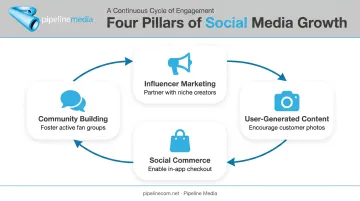
This is the tactical core: turning followers into customers through influencer partnerships, community-driven content, and checkout experiences built right into the feed.
Master Influencer Marketing
Audiences spot the difference between a paid endorsement and genuine enthusiasm within seconds. Authenticity is the entire value proposition of influencer marketing today, not a nice-to-have add-on.
Two tiers serve different purposes:
- Mega-influencers and celebrities: broad reach, cultural relevance, awareness
- Micro-influencers (10K–100K followers): niche credibility, higher engagement, audiences that trust specific recommendations
Revolve built much of its business this way, partnering with hundreds of mid-tier creators rather than betting everything on a handful of celebrities. Influencer content reportedly drives a majority of the brand's online sales today.
To run this well:
- Vet influencers for values alignment, not just follower count
- Choose a structure that fits your goals: gifting for smaller creators, paid flat fees for established names, affiliate codes for performance tracking
- Track sales lift using unique discount codes or affiliate links, not likes and comments
Harness the Power of User-Generated Content (UGC)
UGC works because it doesn't look like marketing. A customer's unfiltered photo carries more weight than a studio campaign shot, because it shows how a piece actually looks and fits on a real body.
Coach's "Explore Your Story" campaign generated millions of organic engagements and hundreds of thousands of customer-submitted posts, built entirely around people sharing their own connection to the brand.
Ways to generate more UGC:
- Create a branded hashtag customers naturally want to use
- Run photo contests or giveaways rewarding the best customer content
- Repost customer photos on official feeds and Stories, with credit
- Feature UGC directly on product pages, alongside social channels
Once customers see real people wearing your pieces, hesitation about fit, quality, and sizing drops fast.
Drive Conversions with Social Commerce
Social commerce removes the biggest obstacle in online shopping: the number of taps between "I want this" and "I bought this."
Instagram Shops and TikTok Shop both let customers complete purchases with minimal redirect friction. That matters even more now that Meta shifted to merchant-site checkout as of September 2025, making a fast, clean product page essential the moment someone taps through.
Chinese fashion brands using livestream shopping hit conversion rates near 30% in 2021, roughly ten times what conventional e-commerce sees. That gap has only widened as livestream formats matured across TikTok and Instagram.
Best practices:
- Tag products accurately in every post, including Reels and Stories, beyond static feed images
- Run live shopping events tied to exclusive discounts or early access
- Keep checkout steps to a minimum; every extra field costs conversions
- Test native in-app checkout against website checkout to see which converts better for your audience
Build a Thriving Brand Community
Social media now doubles as a space where customers expect genuine, two-way conversation, not just product announcements.
Simple habits build loyalty fast:
- Reply to comments and DMs quickly — even a short reply signals someone's listening
- Ask real questions in captions instead of just announcing a product
- Create exclusive spaces, like a close-friends Story list or private group, for your most engaged customers
Brands that treat followers like a community, rather than an audience, see the payoff in repeat purchases and word-of-mouth no ad budget can buy.
Emerging Social Media Trends Shaping the Future of Fashion
Staying ahead means watching where the algorithm and the audience are heading next, spotting shifts before they show up in every competitor's feed.
AI-Powered Personalization
Generative AI is reshaping fashion marketing at scale. McKinsey estimates it could add $150 billion to $275 billion in operating profit across apparel, fashion, and luxury brands over the next three to five years. Much of that gain comes through more targeted marketing content and personalized outreach.
Practical applications already in use:
- Personalized style recommendations delivered through ads or on-site quizzes
- AI chatbots handling sizing questions, order status, and product recommendations directly in DMs
- Trend prediction tools flagging rising searches before they hit mainstream feeds
Livestreaming Goes Mainstream
Live video turns a product launch into an event people show up for in real time.
Common formats brands are testing:
- Live Q&A sessions with designers walking through a new collection
- Real-time shopping events with limited-time pricing or bundles
- Interactive launches where viewers vote on which piece drops next
Sustainability and Transparency Narratives
Conscious shoppers want the story behind the product, not a sustainability page buried in a website footer.
Brands earning trust typically show:
- Where materials actually come from, with specifics rather than vague claims
- Behind-the-scenes production footage from factories or workshops
- Honest updates on sustainability goals, including the ones still in progress
- Third-party certifications or audits that back up sustainability claims with evidence
Brands that overstate their green credentials tend to get called out fast, often by their own followers.
Measuring Success: Key KPIs for Fashion Social Media Marketing
Likes and follower counts feel good, but they don't pay the bills. These metrics tie social activity to actual business results.
| KPI | What It Tells You |
|---|---|
| Engagement Rate by Format | Which content type (Reels, carousels, Stories) actually resonates |
| Click-Through Rate (CTR) | How many people move from a post to your website |
| Conversion Rate from Social | How many social visitors complete a purchase |
| Share of Voice (SOV) | How your brand mentions stack up against competitors |
Fashion brands should watch format-level engagement closely. Reels and carousels consistently outperform static posts, so shifting production budget toward those formats usually pays off.
A few practical notes:
- Track CTR and conversion rate separately: a post can drive huge clicks and still convert poorly if the landing page doesn't match the content's promise
- Review SOV quarterly, not just after a campaign, to catch competitor shifts early
- Tie every KPI back to a specific goal (awareness, traffic, or sales) rather than tracking everything equally
Streamline Your Strategy: How a Full-Service Agency Can Help
Running all of this well, across four or more platforms, with fresh content daily and quick replies to every DM, takes more hours than most fashion teams have. Something usually slips: posting goes quiet for two weeks, or a customer question sits unanswered for days.
That's the gap a full-service partner is built to close. Pipeline Media, a Toronto-based business communications agency operating since 2003, manages social media for brands that need a consistent, professional presence without hiring an in-house team.
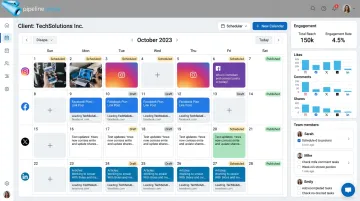
The Social Media Presence package ($500 USD/month) covers:
- Full management of Instagram, Facebook, X, and LinkedIn
- Custom, on-brand content creation and scheduled posting
- Captions written to speak directly to your target audience
- Comment and inbox monitoring, so no customer message goes unanswered
- Profile optimization across all four platforms
The work gets handled by a real team, not squeezed between everything else on a founder's plate. Book a free consultation to see how it fits your brand's social strategy.
Frequently Asked Questions
What is the role of social media in fashion marketing?
Social media works as a digital storefront, trend-spotting tool, and customer service channel all at once. It shapes nearly every step of the journey, from discovering a brand to deciding what to buy next.
What social media is best for fashion?
Instagram remains essential for visual branding, while TikTok drives viral discovery and Gen Z engagement. Most brands do best focusing on two or three platforms well, rather than spreading thin across every network.
How can fashion brands use AI in their social media marketing?
AI powers personalized product recommendations inside ads and chatbots that answer sizing or order questions in DMs. It also flags rising trends before they go mainstream, giving brands a head start on emerging styles.
What is the most effective way to work with fashion influencers?
Long-term partnerships beat one-off posts. Choose creators whose personal style and audience genuinely align with your brand, prioritizing authenticity over follower count alone.
How do you measure the ROI of a social media campaign for a fashion brand?
Track conversions through unique discount codes or affiliate links, and monitor the traffic each platform sends to your site. From there, calculate the lifetime value of customers acquired through social channels.
How can small fashion brands compete with large ones on social media?
Small brands win by owning a specific niche and publishing authentic, UGC-style content, replying to every comment personally along the way. Agility helps too: smaller teams jump on a trend within hours, while larger brands often need days for approval.