Buyers discover, research, and often decide before they ever touch a display case.
Most jewelry store owners already know they should be posting more consistently. The problem is time, not motivation. Photography feels intimidating, strategy feels vague, and it's hard to tell if any of it actually sells pieces.
This guide covers platform selection, content that makes jewelry look its best, turning followers into paying customers, and how to know when it's time to hand the work to someone else.
Key Takeaways
- Instagram drives most jewelry sales, though Pinterest and TikTok reach buyers earlier
- Carousels and short video consistently outperform single product photos
- Catalog integration lets customers browse and buy tagged pieces without leaving the app
- Slow DM responses cost sales; fast ones build trust before a big purchase
- Full-service management frees up the hours owners would otherwise spend on content
Why Jewelry Stores Need a Social Media Strategy
People now spend 2 hours and 21 minutes on social media every day, according to DataReportal's 2025 Digital Overview. That's more than two hours of daily attention available to any jewelry brand willing to show up consistently.
Social selling isn't a future trend for jewelers — it's already reshaping how big-ticket purchases get made. A well-run social presence delivers real, measurable business benefits:
- Moves slow inventory faster: estate pieces, discontinued styles, and one-off designs find buyers who wouldn't have walked past your window
- Builds trust before a big purchase: engagement rings and heirloom-quality pieces rarely sell on impulse, so buyers need weeks of brand exposure first
- Fills in-store events: trunk shows and holiday previews get real attendance when promoted to warm, already-engaged followers
Here's the catch: doing this well, every week, without burning out, takes real time. Sourcing photos, writing captions, scheduling posts, and answering every comment adds up fast. That's exactly why many store owners eventually bring in outside help, something we'll come back to later in this guide.
Choosing the Right Platforms for Your Jewelry Brand
Platform choice should follow your audience and product mix, not the pressure to be everywhere. A bridal-focused store and a custom artisan studio need very different social strategies.
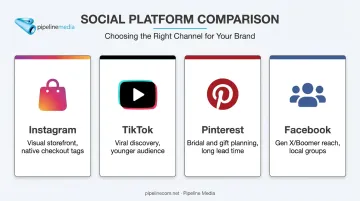
If you had to pick just one, Instagram is the strongest platform for selling jewelry. Its visual format and built-in shopping tags make it the closest thing to a digital storefront. That said, the right mix still depends on who you're trying to reach.
Instagram: The Visual Storefront
Instagram's Stories, Reels, and native shopping tags make it the default choice for fashion-forward buyers, particularly millennials and Gen Z shoppers who expect to browse and shop in the same swipe. A shoppable Reel showing a diamond pendant catching the light, tagged with a direct checkout link, can turn a casual scroll into a same-day sale. It's also where most jewelry brands get discovered by new customers who weren't already searching for them.
TikTok: Discovery and Viral Reach
TikTok rewards trend-driven and behind-the-scenes content. Styling videos, "day in the life of a jeweler" clips, and quick sparkle close-ups can drive brand discovery and direct sales among younger shoppers who use the app as a product search engine.
Pinterest: Inspiration for Bridal and Gift Buyers
Pinterest works differently. Buyers plan purchases weeks or months ahead, saving boards for engagement rings, anniversary gifts, or holiday wish lists. More than 2 in 5 monthly Pinterest users report buying luxury watches or jewelry after seeing them on the platform, making it a strong fit for bridal and gift-focused inventory.
Facebook: Community and Broader Reach
Facebook still reaches Gen X and Boomer shoppers reliably, plus it's where local community groups and targeted ads perform well. If your customer base skews older or hyper-local, Facebook deserves real budget and attention, not just an afterthought post.
Content Strategies That Make Jewelry Shine on Social Media
Product shots alone won't cut it. Storytelling content, behind-the-scenes craftsmanship, designer sketches, and real customer proposal stories build an emotional connection that a plain photo can't.
Smartphone Photography Tips That Work
You don't need a studio to capture stunning shots. A few smartphone habits go a long way:
- Shoot in natural light near a window, avoiding harsh overhead lighting
- Show scale by photographing pieces on hands, wrists, or necks
- Capture sparkle with short video clips that catch movement, not static shots
For your content mix, lean on carousels, Reels, and Stories together rather than relying on one format. Carousels in particular tend to drive stronger engagement thanks to the swipe-through format that keeps viewers on the post longer.
User-generated content deserves its own line item. When you encourage and repost customers wearing their pieces, you're borrowing authenticity that no branded photo can replicate.
Nearly 8 in 10 shoppers say UGC highly affects their purchase decisions, and Stackla's research found it was 8.7 times more impactful than influencer content.
Finally, keep your visual branding consistent: use the same color palette, tone, and logo placement across every platform. A follower should recognize your posts before they even see your name.
Turn Social Media Into a Real Sales Channel
Content gets attention, but commerce features turn that attention into revenue. Connect your inventory or POS catalog to Facebook and Instagram's Commerce Manager so pieces can be tagged with pricing and specs directly inside posts. Customers browse and buy without leaving the app.
A few tactics make this work harder for you:
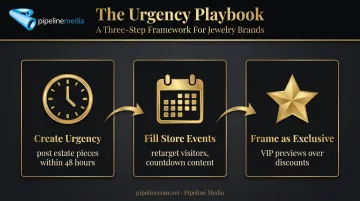
- Create urgency around unique pieces. Post estate and one-of-a-kind items within 48 hours of arrival, with a short story about the piece and "only one left" messaging.
- Fill store events with warm leads. Retarget past website visitors and build countdown content the week before a trunk show or holiday preview.
- Frame promotions as exclusive, not discounted. VIP previews, gift-with-purchase offers, and early access protect full-price sales far better than blanket percentage-off posts.
None of this works if inquiries sit unanswered, especially when a post about a rare estate piece gets ten DMs in an hour and someone needs to be watching. For stores that can't keep up with daily message volume, Pipeline Media's social media management service helps keep responses timely so inbound interest doesn't go cold.
Building Trust and Community Through Engagement
Fast responses matter more than most jewelers assume. When someone asks about a ring's carat weight in your comments, a same-day reply can be the difference between a sale and a scroll to a competitor.
A few habits build real community:
- Respond quickly to comments and DMs, and use Q&A Stories or polls to let followers weigh in on new designs before launch
- Partner with influencers whose audience genuinely matches your product, bridal influencers for engagement rings, fashion bloggers for everyday fine jewelry
- Use smart hashtags by pairing broad terms with niche, specific ones. Five to ten well-chosen tags outperform a wall of generic ones that get lost in the noise
None of this replaces a good product. But it's often the deciding factor between a browser and a buyer.
Measuring Success and Knowing When to Bring in Experts
Posting without tracking results is just guessing. Focus on a small set of KPIs that actually tell you something:
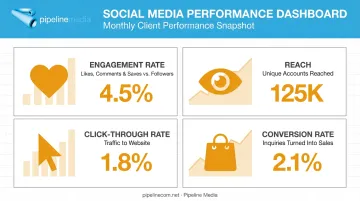
- Engagement rate — likes, comments, and saves relative to your follower count
- Reach — how many unique accounts saw your content
- Click-through rate — traffic sent to your website or store page
- Conversion rate — how often promoted pieces turn into actual sales or inquiries
Each platform's built-in analytics show audience demographics, best posting times, and which content types outperform others. Use that data to adjust future posts, and even future buying decisions, rather than guessing at what your audience wants.
Signs you've outgrown DIY social media:
- Posting has become inconsistent or sporadic
- There's no real time left for content creation each week
- Follower growth has stalled for months
When those signs show up, full-service management stops being a nice-to-have. Pipeline Media's Social Media Presence package ($500/month) covers custom content creation, scheduled posting, and comment and inbox monitoring across Instagram, Facebook, X, and LinkedIn.
A free consultation call, available across every North American time zone, is a low-pressure way to see if it's the right fit.
Frequently Asked Questions
What is the best social media platform to sell jewelry?
Instagram is often the top platform for jewelry sales thanks to its visual format and native shopping tags. TikTok and Pinterest are strong secondary options depending on your audience's age and product type.
How often should a jewelry store post on social media?
Aim for a consistent cadence, several times a week on Instagram and daily on Facebook if possible, and prioritize quality over quantity. A simple content calendar makes this far easier to sustain.
Do I need professional photography for jewelry social media posts?
A smartphone with good natural lighting works well for most day-to-day posts. Professional photography still helps for hero pieces like engagement rings, where color and detail matter most.
Can I sell jewelry directly through Instagram and Facebook?
Yes. Once your catalog is connected through Commerce Manager, you can tag products with pricing and specs, letting customers browse and purchase without leaving either app.
How much does social media marketing cost for a jewelry store?
Costs range from a time investment for DIY posting to paid ad budgets on top of that. Managed options like Pipeline Media's Social Media Presence package start around $500 USD a month for full platform management across Instagram, Facebook, X, and LinkedIn, with ad spend layered on top as needed.
What type of content works best for jewelry brands on social media?
A mix of styled product shots, short-form video, behind-the-scenes storytelling, and reposted customer photos consistently performs best across platforms.