Introduction
Every nonprofit is fighting for the same few seconds of attention on a crowded feed. Posting more isn't the answer. A clear strategy is what turns casual followers into donors, volunteers, and advocates.
Here's the catch: most nonprofit marketing teams are tiny. A recent survey found 38% of nonprofit communicators work completely solo, and 73% of those solo communicators say time management is very or extremely challenging, according to the 2025 Nonprofit Communications Trends Report.
If that's you, you're not doing it wrong. You just need a system.
This guide walks through building a nonprofit social media strategy step-by-step, from setting goals to measuring results, plus a look at when it makes sense to hand the work off to a professional team.
Key Takeaways
- Set platform-specific SMART goals instead of vague "post more" targets
- Build 2-3 supporter personas so every post speaks to a real person
- Pick one or two platforms based on where your audience already is
- Balance storytelling with clear calls to action, not constant donation asks
- Track performance monthly and outsource when capacity runs dry
Why a Social Media Strategy Matters for Nonprofits
For many supporters, social media is their first-ever contact with your mission. They haven't read your annual report or met your executive director—they've seen a post. That makes social a top-of-funnel awareness and trust-building tool rather than a guaranteed donation machine.
A documented strategy helps you:
- Build awareness among people who've never heard of your cause
- Strengthen community by giving supporters a reason to stick around
- Increase transparency by showing donors where their money goes
- Recruit volunteers without relying on paid job boards
- Raise your profile with journalists, partners, and grant-makers who check social presence before reaching out
Nonprofits have bought into this. 99% of surveyed nonprofits used Facebook and 96% used Instagram in 2023, according to M+R's 2024 Benchmarks report, based on 225 participating organizations. LinkedIn adoption sat at 84%.
Those numbers confirm social media has become table stakes for nonprofit communications. They don't mean you need to be everywhere at once. A strategy tells you where to focus and why.
Step 1: Set SMART Goals and Define Your Audience
"Be more active" isn't a goal. It's a wish. Every platform needs its own specific, measurable target tied to a timeframe.
Common SMART goals nonprofits set include:
- Grow Instagram followers by 15% over the next quarter through consistent posting and hashtag use
- Increase donation-page traffic from social by 20% within six months using tracked links
- Recruit 25 new volunteers for a spring event through a dedicated LinkedIn and Facebook push
- Reach 10,000 impressions on an awareness campaign tied to a specific observance day
Notice each one has a number and a deadline. That's what separates a plan from a hope.
Build Supporter Personas Before You Post
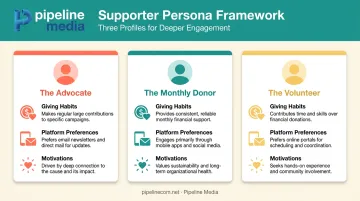
Before you write a single caption, know who you're writing it for. Building 2-3 donor or supporter personas such as "the advocate," "the monthly donor," or "the volunteer" shapes every content decision that follows.
Each persona should capture:
- Giving habits: one-time donor, recurring giver, or in-kind supporter
- Platform preferences: where they actually spend time online
- Motivations: what pulled them toward your mission in the first place
If your organization has a CRM or donor database, use it. You can build these personas from real engagement patterns rather than guessing what your audience wants to see.
Step 2: Choose the Right Platforms and Plan Your Content
Trying to run five platforms well with one staff member is a losing battle. Start with one or two platforms where your target audience already spends time, then expand only if capacity allows. If even one platform stretches your team too thin, outsourcing to a full-service agency like Pipeline Media can keep your posting consistent without adding headcount.
Recent survey data can help narrow that focus, though adoption rates vary depending on the source. M+R's 2024 nonprofit benchmark and a broader global survey of 1,732 nonprofit professionals paint different pictures of platform usage:
| Platform | M+R 2024 Report | Global Survey (1,732 Nonprofits) |
|---|---|---|
| 99% | 96% | |
| 96% | 73% | |
| 84% | 49% | |
| TikTok | 39% | 6% |
Both are useful benchmarks, but neither means every nonprofit should be on every channel.
A simple rule: if your donors are mostly professionals and corporate partners, LinkedIn deserves attention. If you're recruiting younger volunteers or building broad community awareness, Instagram and Facebook usually work harder.
Build a Content Calendar That Keeps You Consistent
A basic content calendar prevents the "what do I post today" scramble that burns out small teams.
Start with 2-3 content pillars, such as:
- Impact stories from beneficiaries
- Volunteer spotlights
- Behind-the-scenes program updates
Map out a realistic posting cadence, then batch-create content in one sitting rather than scrambling daily. Build in recurring annual moments too, like Giving Tuesday or relevant awareness days, so you're never caught off guard.
Tools like Canva for design and Buffer or Hootsuite for scheduling let a one-person team plan a month of content in an afternoon instead of posting live every day.
Step 3: Create Content That Builds Trust, Drives Engagement, and Inspires Action
Polished promotional copy rarely moves people. Real stories do. The National Council of Nonprofits points out that first-person accounts from people your organization has actually helped carry more weight than anything the organization says about itself, because they humanize the work in a way brand messaging can't.
Feature real staff, real volunteers, and real beneficiaries. Let them speak in their own words whenever possible.
Use Visuals and Video to Stop the Scroll
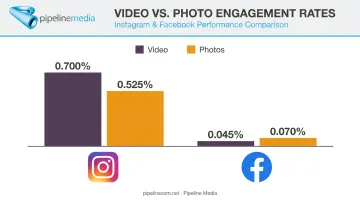
Short-form video and strong photography stop the scroll faster than text-heavy posts, but the data isn't as one-sided as you might expect. According to the 2024 Rival IQ Social Media Industry Benchmark Report, Instagram Reels earned a 0.700% engagement rate versus 0.525% for static photos.
On Facebook, though, the pattern flipped: photos outperformed video, 0.070% versus 0.045%.
The takeaway: test formats on your own channels rather than assuming video always wins.
One more thing: smartphone-quality video is genuinely fine. Consistent branding, meaning the same colors, logo placement, and tone, matters far more than production polish.
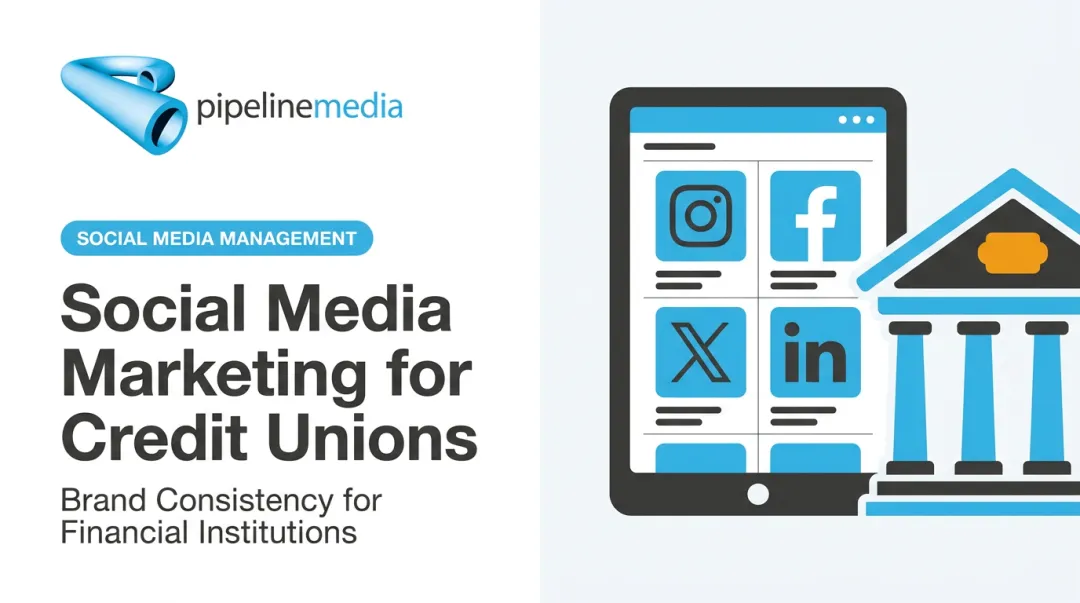
If keeping that consistency across every platform stretches your team thin, agencies like Pipeline Media offer social media management services built to maintain a uniform brand presence across Instagram, Facebook, X, and LinkedIn.
Give Every Post a Clear Next Step
Not every post needs to ask for money. In fact, it shouldn't. Balance impact and thank-you content with direct calls to action like donating, volunteering, or registering for an event.
Mix in low-effort participation prompts too:
- Run polls asking supporters to weigh in on program decisions
- Launch tagging challenges that spread awareness organically
- Ask simple comment questions that invite a quick response
These small interactions warm up followers long before they're ready to give.
Track Performance and Refine Your Strategy
You can't improve what you don't measure, so focus on a compact set of metrics rather than drowning in data:
| Metric | What it tells you |
|---|---|
| Follower growth | Whether your audience is expanding |
| Engagement rate | Whether people care about what you post |
| Link clicks | Whether content drives traffic off-platform |
| Donations/sign-ups from social | Whether that traffic converts |
Use unique tracking links or duplicated donation forms per platform so you know which channel is actually driving action, not just likes. A donate button that looks the same everywhere makes it impossible to tell if Instagram or Facebook deserves the credit.
With that tracking data in hand, revisit your goals and content performance monthly or quarterly. Double down on what's working, and cut what isn't, even if it was your favorite content pillar going in.
When In-House Capacity Runs Out: Professional Social Media Management
At some point, many nonprofit teams hit a wall. Fundraising deadlines, program delivery, and grant reporting all compete for the same hours that consistent posting and engagement require. Something gives, and it's usually social media.
That's a capacity problem, and it has a practical fix.
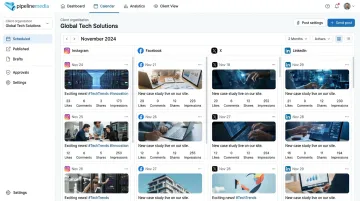
Pipeline Media, a full-service business communications agency operating since 2003, offers a social media management service built for organizations that need a professional presence without adding headcount. The Social Media Presence package ($500/month USD) covers full management of Instagram, Facebook, X, and LinkedIn — custom content creation, on-brand captions, comment and inbox monitoring, and profile optimization.
Pipeline has served clients across Associations & Non-Profits alongside 12 other industries. The model is hands-off by design: your team sends direction, Pipeline handles execution, and your staff gets back the hours they were spending on captions and scheduling.
Frequently Asked Questions
What social media platforms are best for nonprofits?
Platform choice should follow your audience, not trends. Facebook and Instagram work well for broad community engagement and fundraising, while LinkedIn tends to perform strongest for corporate partnerships and professional networking.
Which social media metrics should nonprofits track?
Focus on follower growth, engagement rate, link clicks, and donation or volunteer conversions traced back to social. These four give you a complete picture without overwhelming a small team.
How many people should run a nonprofit's social media page?
It depends entirely on organization size. Some run everything with one staff member wearing multiple hats, others have a dedicated team, and many outsource once internal capacity runs out.
How often should nonprofits post on social media?
A realistic, consistent cadence of a few times per week beats sporadic bursts of high-volume posting. Choose a schedule your team can actually sustain long-term.
Is social media effective for nonprofit fundraising?
Social media builds awareness and trust exceptionally well, but it works best as a bridge toward donation pages and email lists rather than the final conversion point itself.
How can small nonprofits with limited staff manage social media effectively?
Batch content creation in advance, repurpose existing materials like blog posts, event photos, and email content, and consider a professional social media management service, such as Pipeline Media, once internal bandwidth is genuinely maxed out.