Most boutique owners already know social media matters. Finding the time to do it well is the harder problem. 60% of small business decision-makers say social media is their most popular marketing channel, yet the majority spend an hour or less per day on all marketing combined, according to Constant Contact's 2024 Small Business Now report.
This guide breaks down which platforms deserve your limited time, proven promotion tactics, two content frameworks worth stealing, common mistakes to avoid, and when outsourcing makes more sense than DIY.
Key Takeaways
- Instagram, TikTok, and Facebook attract different shoppers — pick based on age and browsing habits, not trends
- Genuine engagement and consistent visuals build longer-lasting sales than paid ads running alone
- The 5-5-5 and 5-3-2 frameworks keep feeds from feeling like a nonstop sales pitch
- Boutiques that track performance and adjust course grow faster than those posting on autopilot
Choosing the Best Social Media Platforms for Your Boutique
Platform choice comes down to three questions: Where does your customer actually spend time? What does your product category look like on camera? And where are competitors already winning engagement? A boutique selling handmade jewelry to a 40-something crowd needs a different mix than one selling streetwear to teens.
There's no single platform that dominates retail referral traffic across the board. The smarter approach is matching platform strengths to your specific audience.
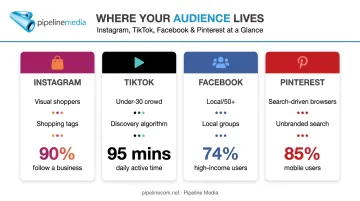
Instagram remains the default starting point for visual-first boutiques, and for good reason. You can tag up to 20 products in a single feed post, plus tag products directly in Reels, turning every scroll into a potential storefront visit.
- Shopping tags let browsers buy without leaving the app
- Reels reach non-followers through Instagram's discovery feed
- Stories are better for retention than discovery — video Stories saw 10.40% reach among small accounts versus 9.55% for static images
For boutiques with strong product photography, Instagram gives the most direct line from "I like that" to "I bought that."
TikTok
TikTok's algorithm doesn't care how many followers you have. It cares whether people watch your video to the end, and that's an opening for boutiques without a huge following yet.
83% of TikTok Shop shoppers discovered a new product on the platform, and 70% discovered a new brand, according to TikTok's own newsroom data. Styling videos, try-on hauls, and behind-the-scenes clips of restocking or packing orders tend to perform well because they feel unscripted.
Skew younger, though: TikTok's audience is heavily concentrated among adults under 30, so it's a better fit if that's your customer.
Facebook still reaches 68% of US adults, including 69% of ages 50-64 and 58% of ages 65+, per Pew Research's 2024 social media survey. If your customer base skews older or is deeply local, this is where they still are.
Facebook's strengths for boutiques:
- Local Groups: community pages where recommendations and word-of-mouth spread organically
- Marketplace: an easy secondary listing spot for inventory
- Ad targeting: precise geographic and interest-based options for hyper-local promotion
For boutiques anchored in a single neighborhood, this combination often beats flashier platforms simply because local customers are already using Facebook to find nearby businesses.
Pinterest works differently than the other three. It's less about followers and more about search. Most top searches on the platform are unbranded, meaning shoppers are looking for a style or product idea, not a specific store name.
That's an advantage if your boutique isn't a household name yet. Style boards, outfit inspiration pins, and seasonal lookbooks can drive sustained traffic to your site long after you've posted them, especially if you already have a solid e-commerce presence to send that traffic to.
Proven Strategies to Promote Your Boutique on Social Media
Platform choice sets the stage. What you actually post, and how consistently, determines whether it converts.
Show Up With High-Quality, Authentic Visual Content
Polished product shots build trust. Candid, behind-the-scenes moments build connection. You need both. A photo of a new arrival on a model works well paired against a quick clip of you steaming wrinkles out before it hits the floor.
Consumers are increasingly turned off by content that feels like one long advertisement: 34% call excessive self-promotion a major turnoff, and over half want brands to feel more relatable. Mix the studio shots with the real ones.
Build Community Through Engagement and User-Generated Content
Comments and DMs are where relationships actually form. Respond quickly, and don't just say "thanks." Ask a follow-up question, mention a related product, or keep the conversation going.
Practical ways to build community:
- Create a branded hashtag customers can use when posting outfit photos
- Reshare customer content to your Stories with credit: it's free content that also builds loyalty
- Reply to comments within the first hour when possible, since early engagement signals relevance to the algorithm
Partner With Micro-Influencers and Local Creators
You don't need a creator with 500,000 followers. Smaller, niche creators often deliver stronger engagement for boutique budgets. Nano-tier creators posted the highest TikTok engagement rates in recent tracking, outperforming bigger accounts on a per-follower basis.
A simple structure to start with:
- Identify 5-10 local or niche creators whose audience matches your customer
- Offer a free product in exchange for one styled post or story
- Track which posts drive actual traffic or in-store visits
- Formalize a paid relationship with the creators who perform
Use Paid Social Ads Strategically
Organic content builds the foundation, but paid ads accelerate specific moments: a launch, a seasonal sale, a slow week that needs a push.
- Retarget site visitors who browsed but didn't buy with a small catalog ad
- Test with a small budget first ($20-50 USD over a few days) before committing more spend
- Scale only what's already working, rather than spreading a budget thin across untested creative
Apply Proven Content Frameworks: The 5-5-5 and 5-3-2 Rules
These two frameworks solve different problems, and boutiques can use them together.
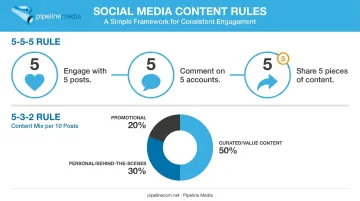
The 5-5-5 rule is about organic reach, not posting volume. Each day: engage with 5 posts from others, comment on 5 accounts in your niche, and share 5 pieces of content. It builds visibility without flooding your own feed.
The 5-3-2 rule governs what you post. Out of every 10 posts:
- 5 are curated or value-driven (style tips, seasonal trends, gift guides)
- 3 are personal or behind-the-scenes (staff picks, packing orders, a peek at new stock arriving)
- 2 are directly promotional (sale announcements, new arrivals with a buy link)
This ratio keeps your feed from reading like a nonstop ad, which matters given how quickly over-promotion turns followers off.
Common Social Media Mistakes That Hold Boutiques Back
Even boutiques doing "everything right" content-wise can stall out from a few avoidable habits.
- Going quiet during busy in-store periods. Ironically, your busiest in-store weeks are often when posting drops off, and that inconsistency causes algorithms to deprioritize your account over time.
- Overloading feeds with promotions. Skipping the 5-3-2 balance and posting mostly sales content trains followers to scroll past you.
- Ignoring the analytics. Repeating a content type that consistently underperforms, instead of pivoting toward what actually engages your audience, wastes time you don't have to spare.
The fix for all three is the same: build a simple posting calendar you can stick to even during your busiest weeks. Then check your platform insights monthly, not just when something goes viral or flops.
When to Bring in Help for Your Boutique's Social Media
Some signs it's time to stop DIY-ing your social accounts:
- Posting has become inconsistent or stopped altogether for weeks at a time
- You genuinely don't have time to plan, shoot, and write content anymore
- Follower growth has flatlined for months
- Engagement feels low no matter what you post
A full-service social partner should typically handle content planning, scheduling, on-brand captions, and monitoring comments and DMs so nothing slips through the cracks. Profile upkeep, like keeping bios and highlights current, should also be part of the package.
Pipeline Media, a Toronto-based business communications agency operating since 2003, offers a Social Media Presence package at $500 USD/month built around exactly that need. It covers:
- Management across Instagram, Facebook, X, and LinkedIn
- Custom content creation and consistent scheduled posting
- On-brand captions written for your specific audience
- Comment and inbox monitoring, with responses handled on your behalf
- Ongoing profile optimization
It's designed for boutique owners who want a professional, consistent presence without personally managing it day to day. Pipeline also emphasizes a real-person support model, meaning requests get a human response rather than an automated one.
Boutiques with specific needs beyond core presence management, like paid ad support, are best served by booking a free consultation to discuss what fits. These calls are available across North American time zones, from AST through PST/YST.
Frequently Asked Questions
What is the 5-5-5 rule on social media?
The 5-5-5 rule means engaging with 5 posts, commenting on 5 accounts, and sharing 5 pieces of content each day. It builds organic visibility through interaction rather than constant posting from your own account.
What is the 5-3-2 rule on Instagram?
Out of every 10 posts, 5 are value or curated content, 3 are personal or behind-the-scenes, and 2 are promotional. It keeps feeds balanced instead of feeling like a sales pitch.
How do I promote my boutique?
Combine high-quality visual content, genuine community engagement, small-creator partnerships, and targeted paid ads. Layer in a content ratio like 5-3-2 so promotion doesn't overwhelm your feed.
What platform is best for boutiques?
Instagram is generally strongest for visual-first boutiques thanks to shopping tags and Reels. TikTok works well for younger audiences, while Facebook suits older or hyper-local customer bases.
How often should a boutique post on social media?
A realistic, consistent cadence beats sporadic bursts of high-frequency posting. Three to five feed posts a week, sustained over time, outperforms daily posting that fizzles out after a month.
Do boutiques need to pay for social media ads to grow?
Not necessarily. Organic content builds your foundation and audience trust over time, while paid ads accelerate reach specifically for launches, sales events, or retargeting site visitors.